Turning Missed Calls into Reliable Revenue Infrastructure for a Beauty SaaS Platform
voip push
triggers
device-aware
routing
Call
Survivability
Solutions
Industries
Technologies

About the Project
A beauty and wellness SaaS platform offering an AI receptionist needed to move beyond browser-based calling into a mobile experience that could be trusted in real-world conditions.
In this business, missed calls are not a UX issue, they are lost bookings. Salon staff operate on personal devices that are often locked, in use, or restricted by battery settings. If the phone does not ring, the system fails regardless of how advanced the AI is.
Before committing to a full mobile build, the client needed a clear answer to a single question: can a mobile VoIP system reliably behave like a real phone across devices and operating systems, without rebuilding their entire backend?
Objectives
- Validate whether inbound calls can reliably reach mobile devices in real conditions
- Define a routing model that reflects actual device state, not static numbers
- Extend existing backend systems without introducing long-term technical debt
- Identify the real QA and hardware requirements for production readiness
- Establish a realistic effort model based on system constraints, not assumptions

Challenges
Solutions
Browser-based calling breaks in real environments
The existing system relied on browser-based calling. In practice, this failed in common salon scenarios. Phones are locked, apps are backgrounded, and operating systems aggressively suspend browser processes. Calls simply did not reach the device.
This was not an edge case. It was the default operating condition.
Native VoIP execution model
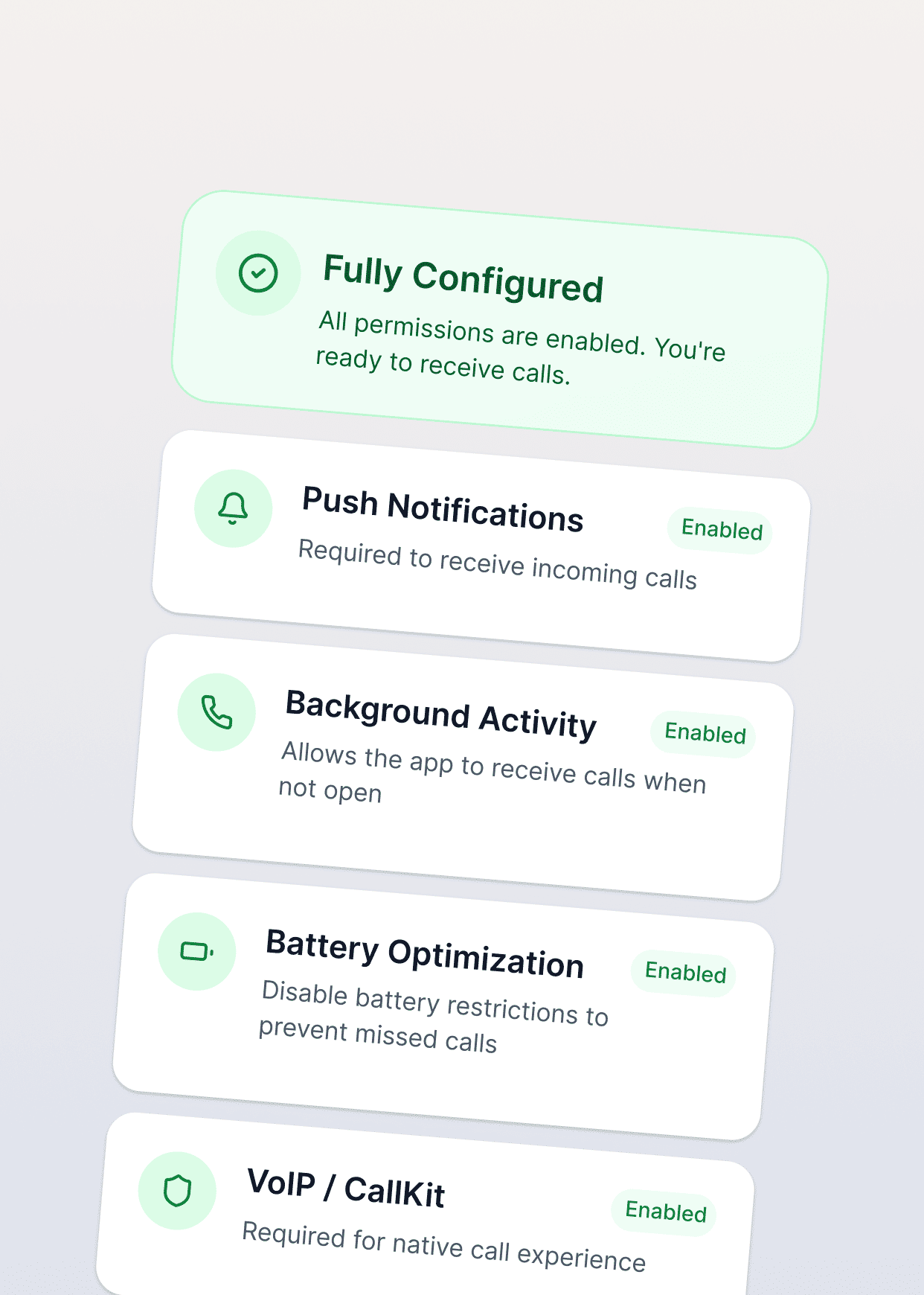
We designed a native VoIP architecture that allows the system to wake devices at the operating system level. This included defining how devices register, how their state is tracked, and how the backend holds and routes calls while waiting for a response.
The result is a system where the call can reach the device even when the app is not actively in use.
Number-based routing breaks with real users
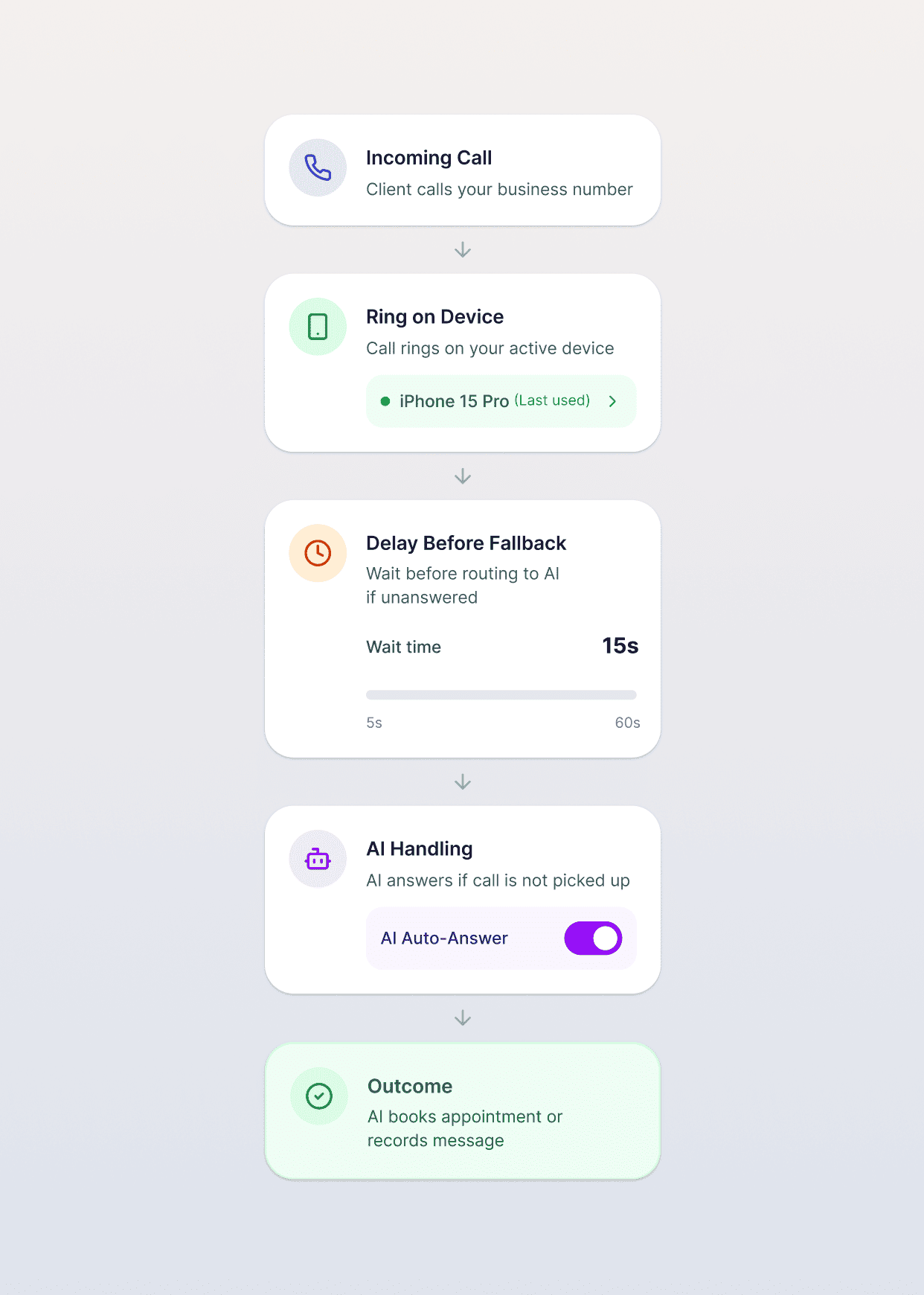
The original system routed calls to static phone numbers. This breaks down immediately in real usage. Staff use multiple devices, switch between them, or share hardware at the front desk. Routing to a number does not reflect where the user actually is.
Device-aware routing
We replaced number-based routing with device-aware logic. The system resolves which device should receive the call at the moment the call happens, based on activity and availability.
This removes hardcoded assumptions and allows the system to evolve without rewriting the core orchestration layer.
QA cannot be simulated
VoIP reliability cannot be validated in simulators. The system must be tested on real devices under real conditions: locked screens, background apps, battery restrictions, and concurrent calls.
This turns QA from a supporting function into a core part of the system.
Hardware-first validation model
We defined a device and OS coverage strategy based on real market usage. Physical devices were treated as required infrastructure, not optional tooling.
This allowed the team to validate behavior in the conditions that actually matter.
Pressure to compress scope
There was pressure to reduce scope and accelerate delivery by simplifying the initial build. The risk was creating a system that appears to work in controlled scenarios but fails in production.
Define the minimum viable foundation
We identified the true minimum as inbound call reliability and device-aware routing. Everything else can be layered on top.
This avoided building a system that would need to be reworked later and the client would receive a production-ready foundation.

Our Project Strategy
Our production judgment centered on risk containment before financial commitment.

Validate the Hardest Problem First
We prioritized whether the phone can reliably ring under real conditions before investing in UI or secondary features.
Extend Systems, Don’t Rewrite Them
We worked within the existing backend, introducing schema-level changes to support device-aware behavior without creating long-term complexity.
Build for Independence
All architectural decisions were documented so the client’s internal team could execute without ongoing reliance on external support.
Project Results & Impact
This phase did not produce a finished mobile app. It produced something more valuable: a clear path to a system that will work in production.
A validated approach for delivering calls to mobile devices under real conditions
A defined backend extension model for routing and device management
A QA framework grounded in actual hardware requirements
A realistic roadmap that avoids wasted development cycles
Key Takeaways
- If the phone doesn’t ring, nothing else matters
- Device behavior must be part of the system design, not an afterthought
- Reliable VoIP cannot be proven without real hardware
- Skipping foundational work leads to systems that fail under real usage
Worth thinking about if you’re building an AI receptionist system for appointment-based businesses that must behave like a real phone.

Related Projects
-
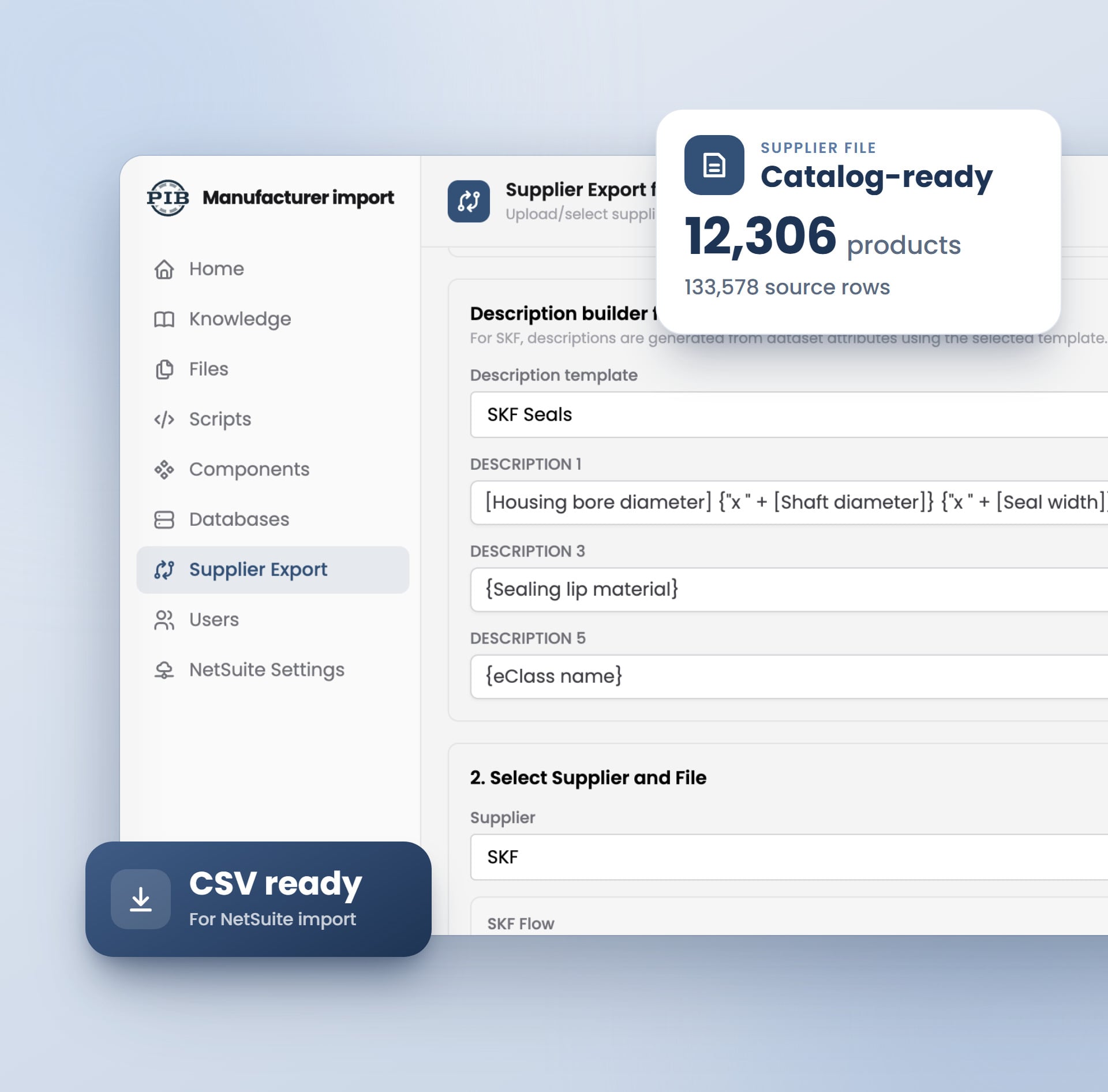

Supplier Data Automation for PIB Sales
LinkAutomated NetSuite catalog prep, turning a 12,306-product supplier workbook into one reviewed import file.
-
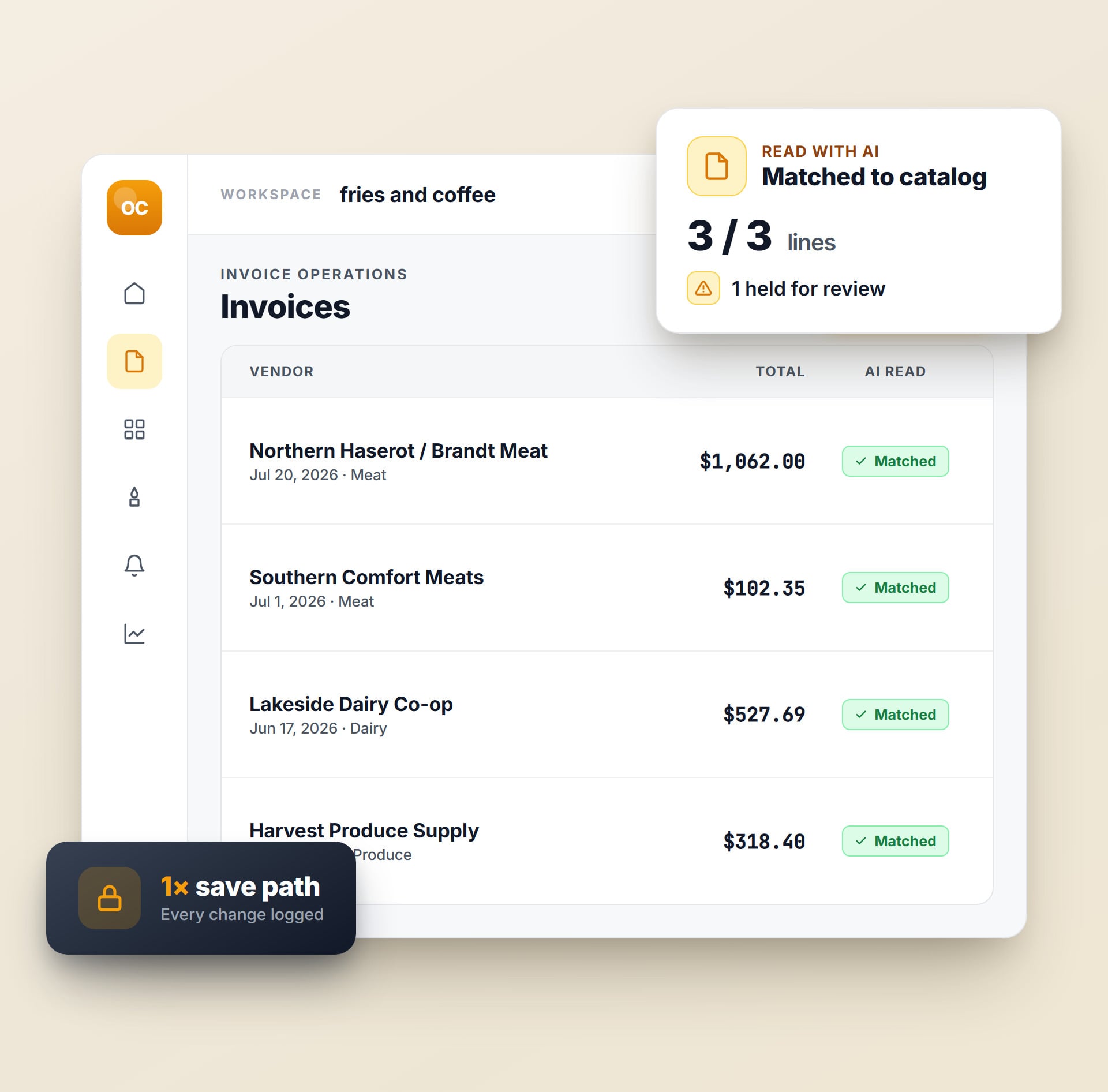

Multi-Tenant Platform Architecture for a Restaurant Costing System
LinkOffichef went from a single-restaurant spreadsheet tool to a multi-tenant system built to run for many operators at once.
-
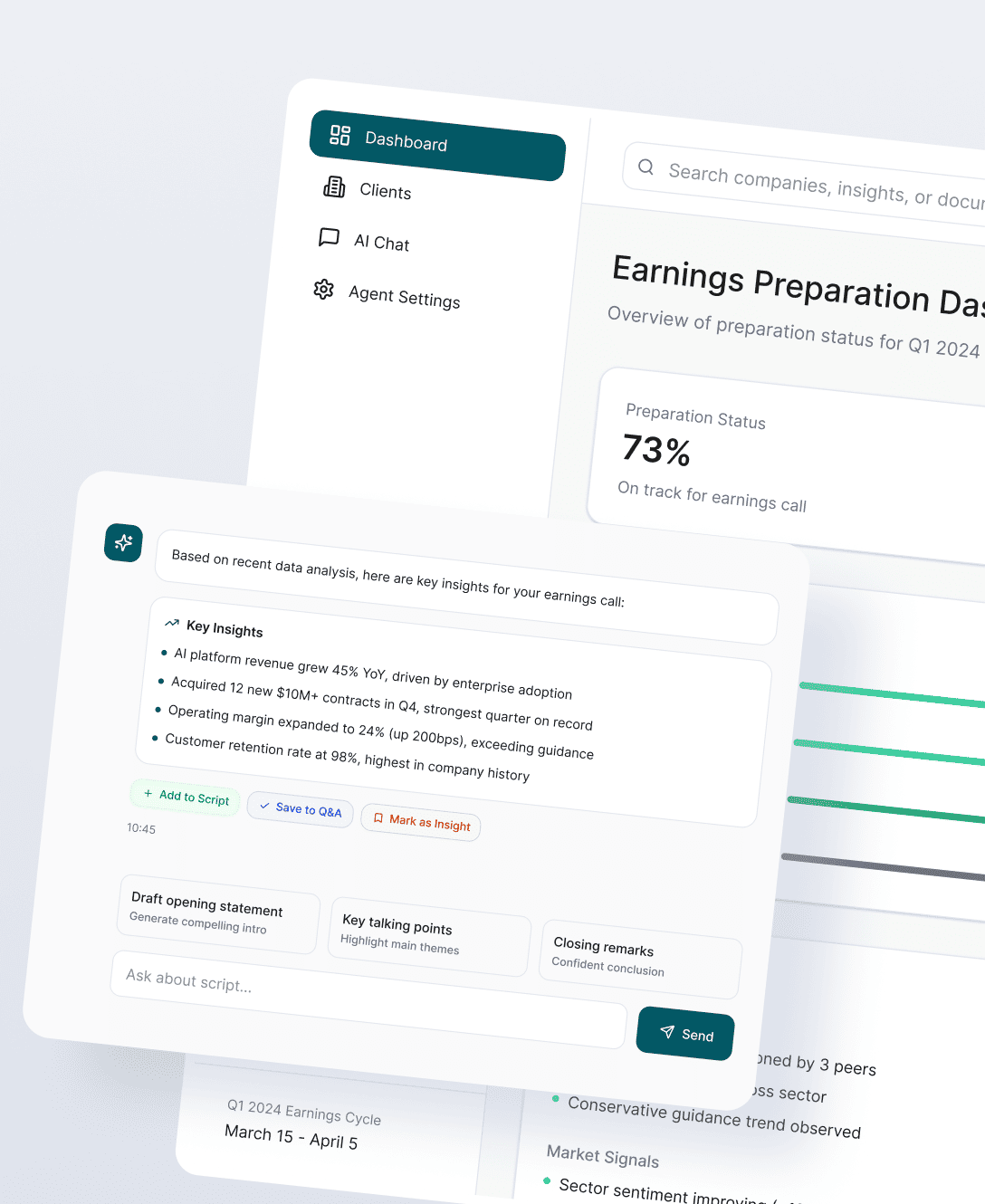
Market Discovery & System Framing for an AI-Driven Investor Relations Platform
LinkEstablished the architectural and market foundation for an AI-native earnings call product.
-
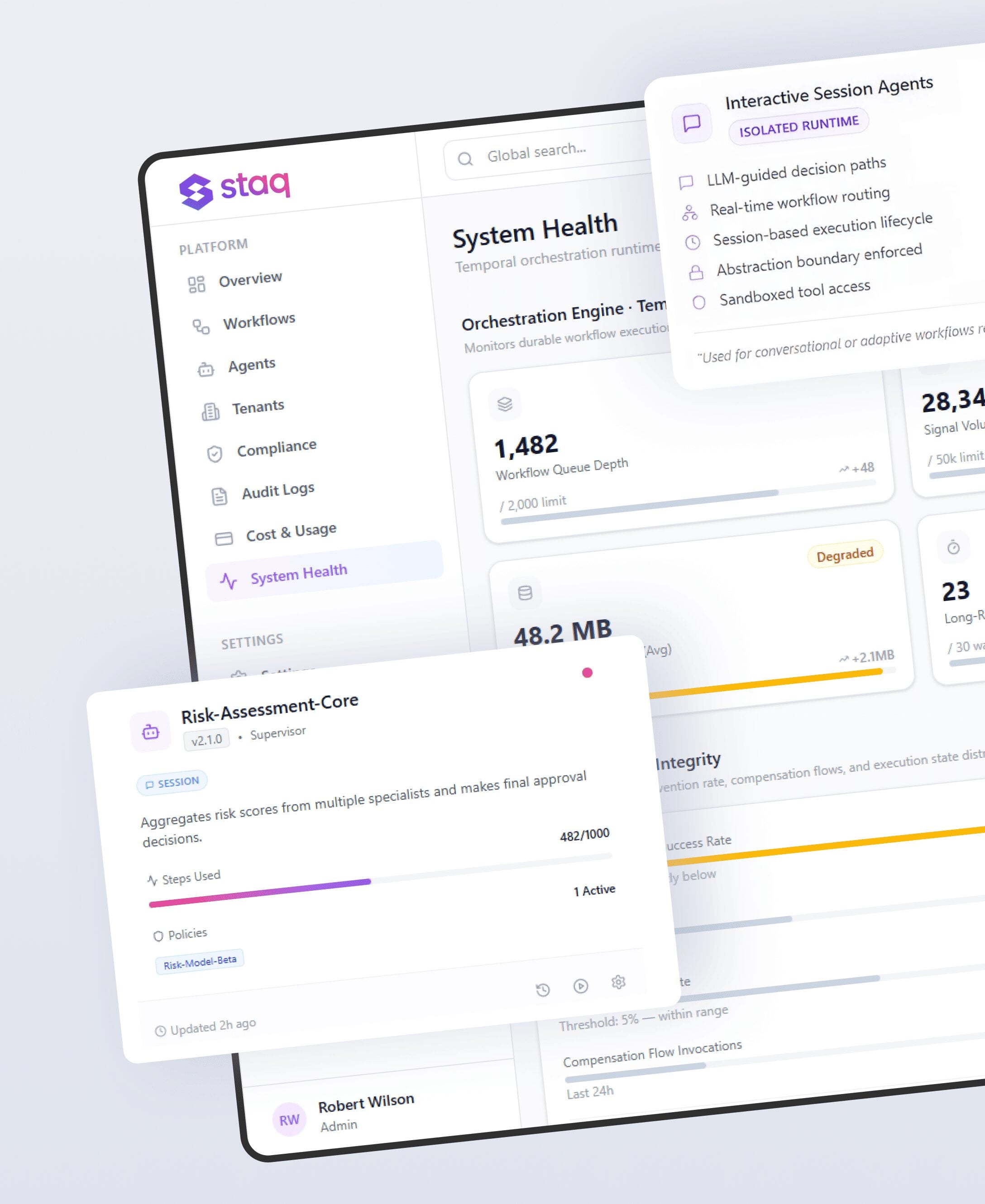

AI Agent Orchestration for Banking at Staq
LinkArchitected a Temporal-backed agentic runtime for a fintech platform shipping autonomous financial workflows to regulated markets.
-


Agentic Data Controls for CarAdvise’s Automotive Marketplace
LinkEngineered a configuration system replacing tribal knowledge with enforced rules, deployed to distributors without IT drag.
-
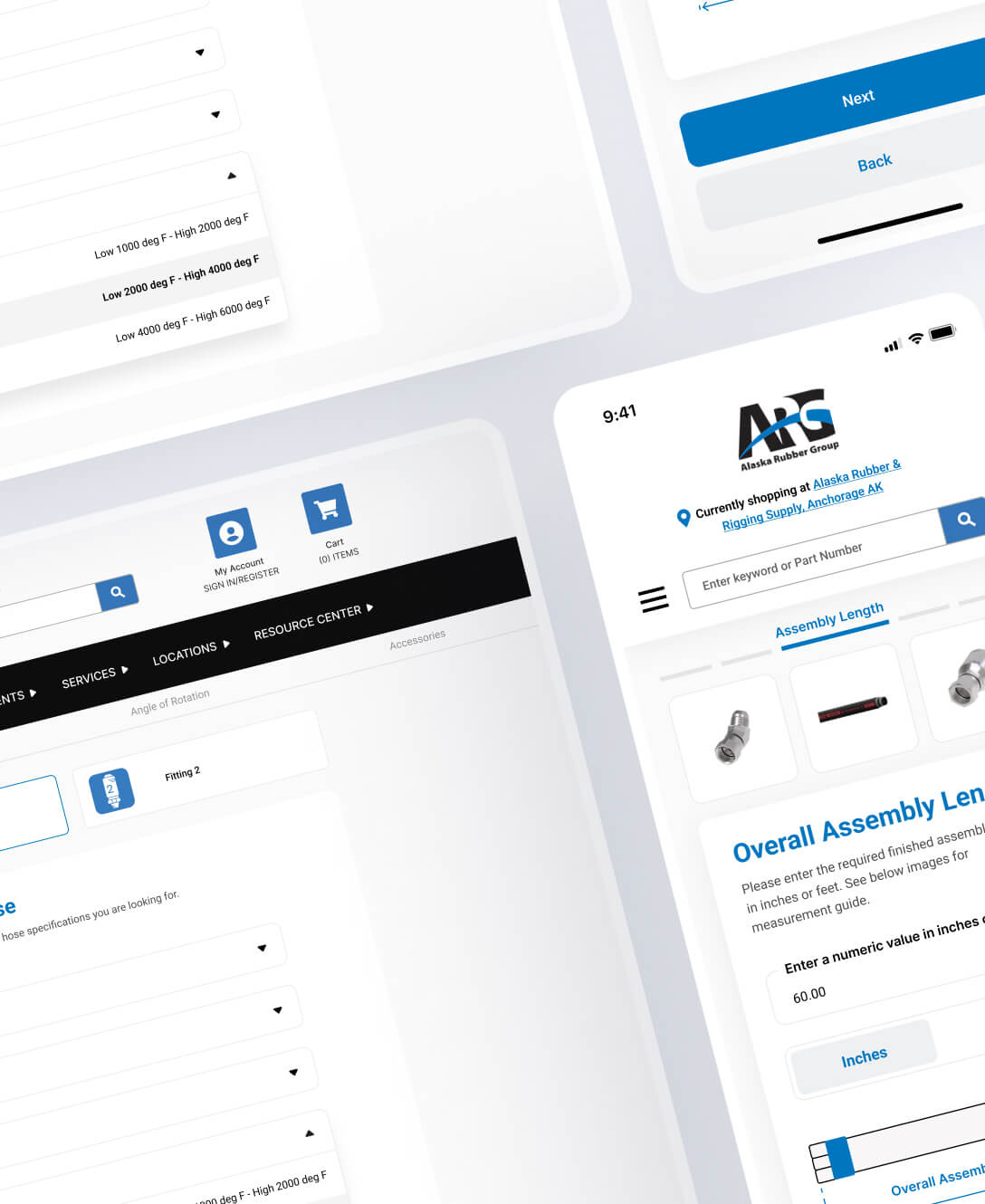

Turning Complex Quoting into Controlled, Repeatable Systems
LinkImplemented CPQ that cut quote generation time by 88% and made quoting consistent and reliable.


Building an AI-Driven Workflow That Has to Work Every Time?
Meet the founders
Tell us your goals
Receive a proposal
Project kickoff

John Griffin
Co-Founder, CEO

Anton “JD” Titov
Co-Founder, CTO
“Anton is an exceptional technologist. I would feel comfortable having him work on any technical challenge.” – Ryland Goldstein, Head of Product, Temporal


