Reliable, Scalable, AI-Assisted Software Testing Services
Finding reliable and cost-effective software testing services shouldn’t slow down your development. Our team of seasoned quality assurance engineers brings 15+ years of expertise in manual and automated testing—ensuring flawless performance, security, and user experience across all platforms.


Our Agency Awards and Certifications



Real Success, Real Stories
See how our software testing expertise has helped SaaS businesses, enterprise platforms, and startups ship flawless, high-performing applications.
-
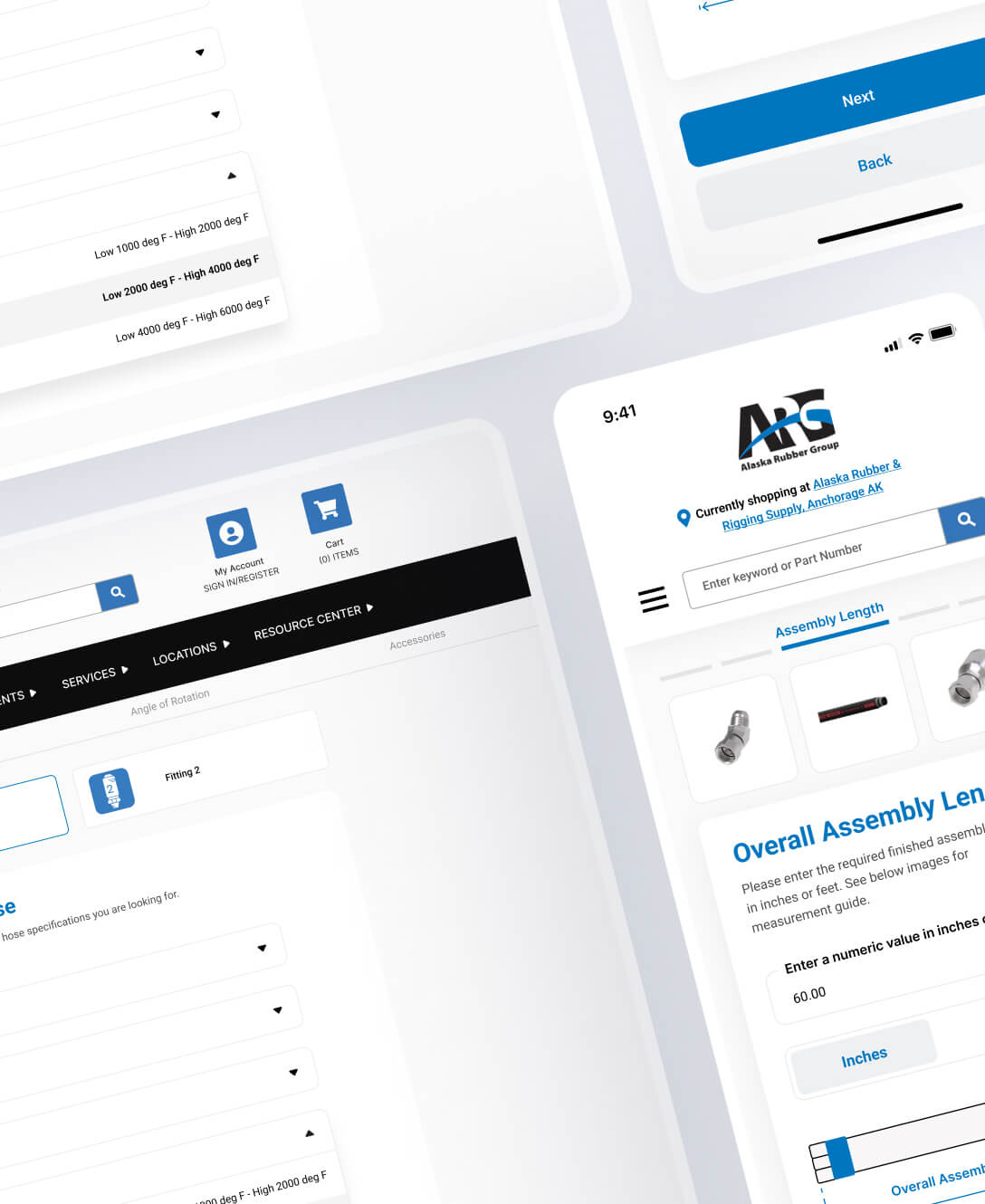

Turning Complex Quoting into Controlled, Repeatable Systems
LinkImplemented CPQ that cut quote generation time by 88% and made quoting consistent and reliable.
-
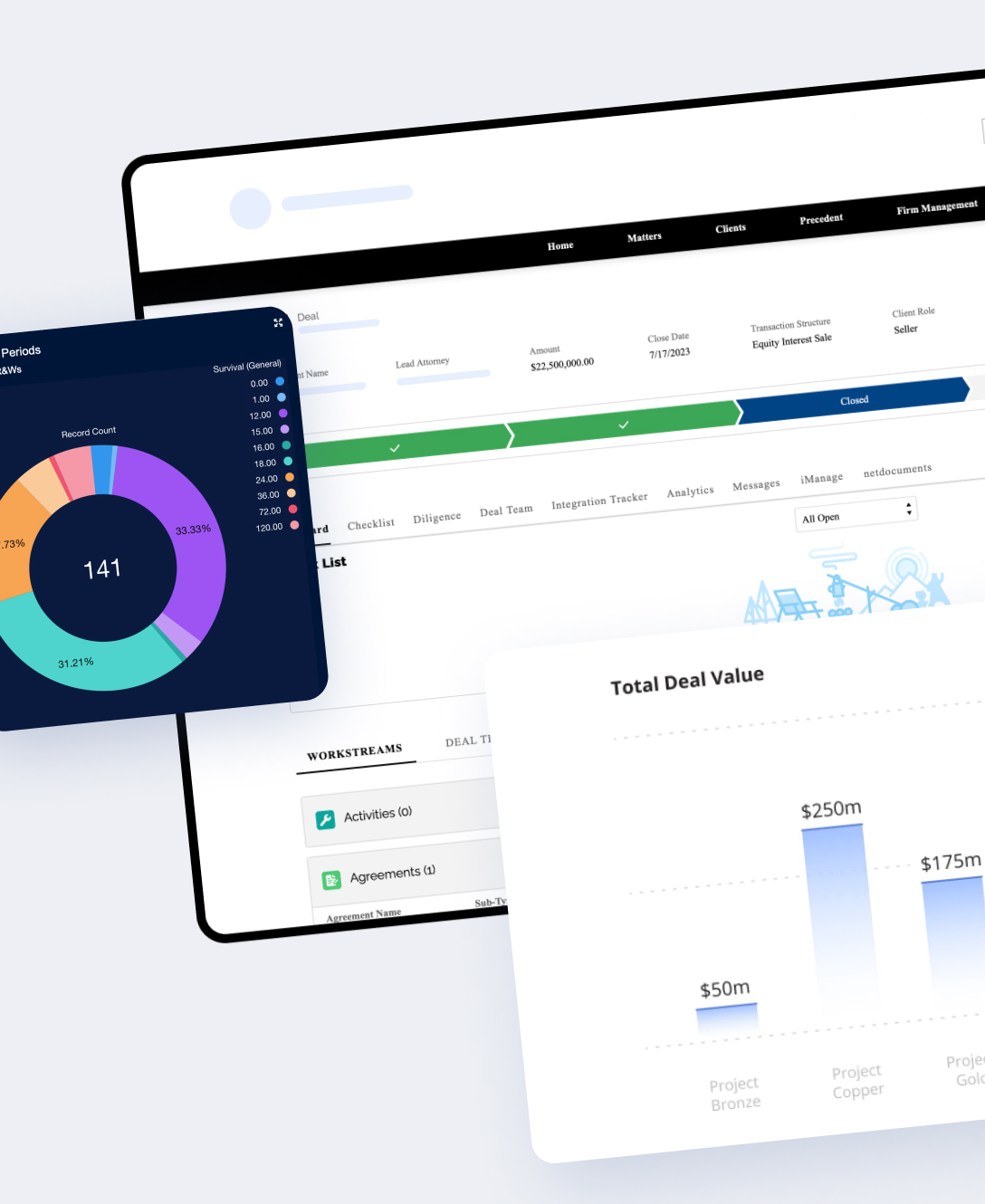

Salesforce AI Integration for Fortress (Legal SaaS)
LinkAutomated 80% of deal management tasks in Salesforce, cutting manual work and boosting efficiency in legal workflows.
-
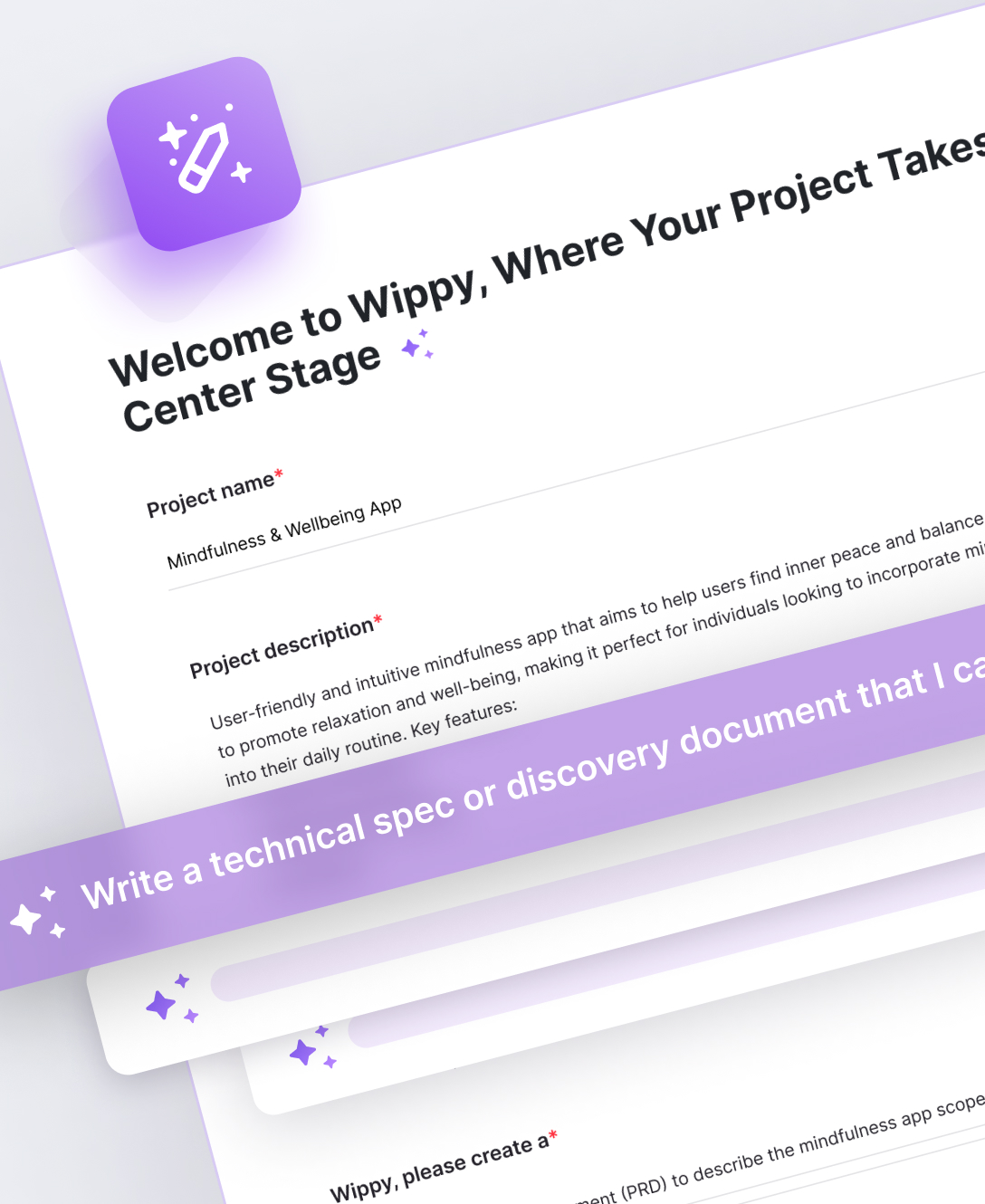

Secure Enterprise AI Automation for RFPs
LinkDeployed AI agents that cut RFP response time from 4 days to a few hours and pre-sales overhead by 30%.
-
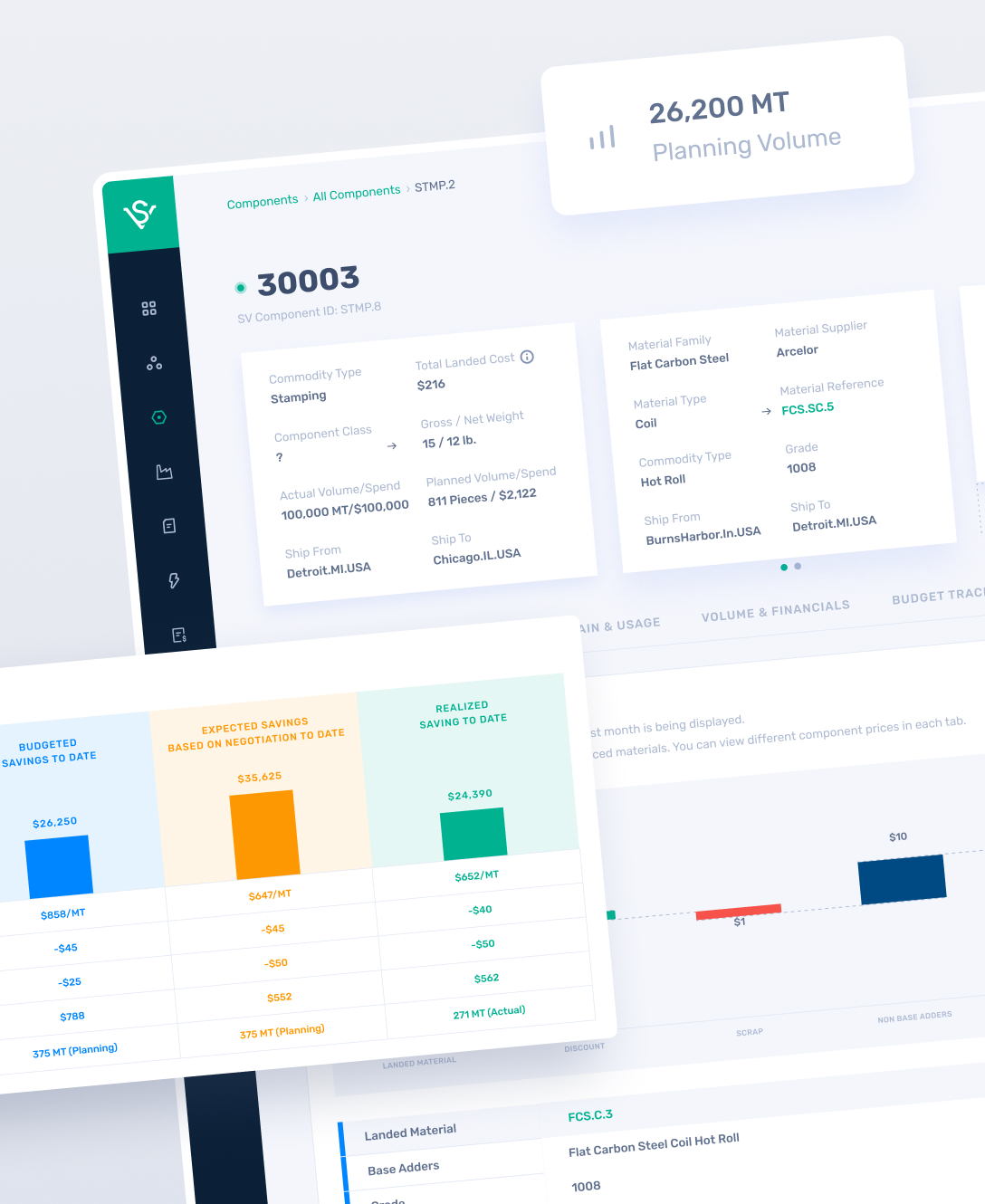

Automating Supplier Data Mapping for Sourcing Value
LinkDeveloped automated data workflows that reduced manual effort by 90% and increased processing speed.
-
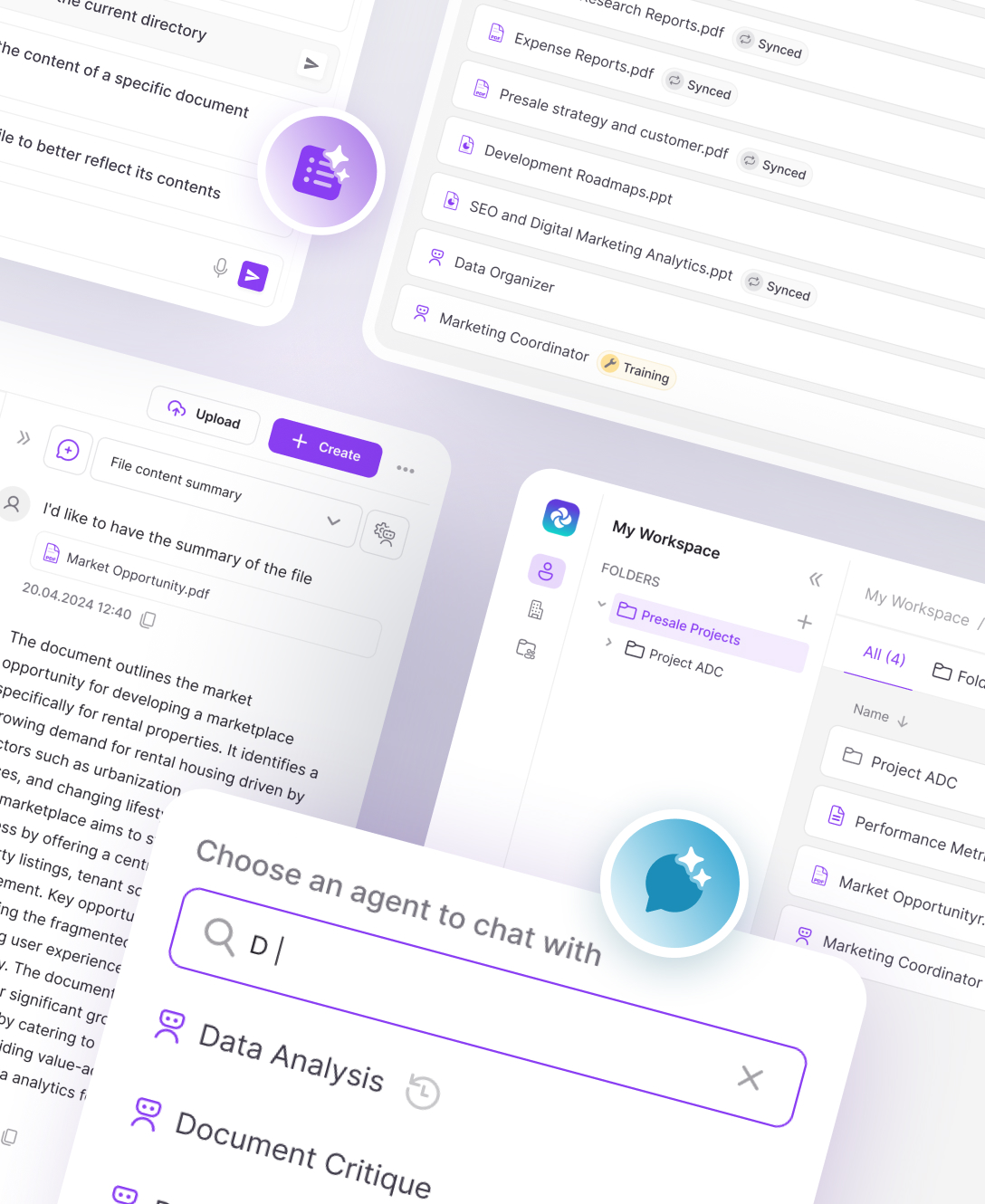
AI-Powered Multi-Agent Task Automation with Wippy AI
LinkDeployed AI agents that cut manual intervention by 80% and tripled task completion speed.
-

AI-Powered Privacy Protection for a Children’s Letters Program
LinkStreamlined a Santa’s letter exchange program with a secure digital platform for anonymous gift-giving. Delivered 30,000+ holiday wishes, boosting efficiency and user trust.


Why High-Growth Companies Choose Spiral Scout for QA & Testing
Ship with confidence. We combine proprietary AI agents with deep exploratory testing to ensure your software is secure, scalable, and flawless before it ever reaches your users.
AI-Driven Automation
Speed is a competitive advantage. We use Wippy, our proprietary AI AQA Agent, to turn specs and Jira tickets into self-healing automated tests (Cypress/Playwright). This cuts test creation time by 50% and eliminates flaky tests, letting you ship features faster without breaking builds.
AI-Assisted Manual Testing
We don’t just throw people at problems, we empower them with AI. Our Manual QA Assistant Agent automates routine tasks, like generating test cases from requirements and creating Jira tickets, allowing our expert testers to focus on complex edge cases and creative exploratory testing that bots can’t match.
Flawless User Experiences & Retention
88% of users won’t return after a poor experience. We go beyond code validation to identify friction points and usability issues. By combining human insight with AI-powered scanning, we protect your brand reputation and ensure your product is delightful to use.
Cost Reduction & Risk Mitigation
Fixing bugs post-launch costs exponentially more than catching them early. Our proactive approach identifies defects during development, using AI to analyze requirements for risks before code is even written, saving you thousands in remediation costs.
Enterprise-Grade Security & Performance
Functionality is nothing without stability. We rigorously stress-test your applications to identify bottlenecks and vulnerabilities. We ensure your system can handle high traffic loads while remaining robust against security threats.
End-to-End Compatibility
Your software must work everywhere. From API interactions to mobile responsiveness (iOS/Android) and cross-browser performance, we validate real-world scenarios to ensure seamless integration across your entire digital ecosystem.
Comprehensive Software Testing for Modern Applications
By integrating AI-driven tools, we enhance our testing processes, enabling faster detection of bugs and predictive analytics to foresee potential issues. This approach allows us to optimize manual testing, automate repetitive tasks, and improve the accuracy of performance and security assessments. Our AI-enhanced testing solutions ensure that applications are robust, secure, and ready for deployment across various platforms.
Manual Testing
Automated QA Solutions
Performance and Security Testing
API Integration Checks
Cross-Platform Compatibility
Mobile App Testing
Usability Testing
User Acceptance Testing
Our Process
Assess Your Software’s Needs
We begin with a deep-dive analysis of your software, identifying high-risk areas for performance, security, and usability issues. This ensures our testing aligns with your business goals and user expectations.
Develop a Targeted Testing Plan
We craft a strategic QA roadmap, selecting the best methodologies and automation tools to maximize efficiency, accuracy, and coverage.
Execute & Deliver Actionable Insights
Our team rigorously tests your software, catching issues before they impact users. Since 80% of software bugs are found during testing, our approach ensures a stable, deployment-ready product.
-

As our application’s complexity increased, the Spiral Scout QA engineers stepped up, managing the details with a proactive and self-driven approach. They’ve been instrumental in filling knowledge gaps and ensuring we stay aligned with our objectives.
 Hector BorgesFound, Director of Engineering, Growth & Consumer Experience
 -

The quality assurance team has proven to be an invaluable asset in the development process, significantly contributing to the overall success and quality of our high profile project.
-

Our solution brought transformative benefits to Appspace. From speeding up testing processes and enhancing test coverage to refining bug detection, elevating test maintenance, and providing real-time insights
 Spiral Scout AQA Team
 -
The team’s successful work allowed Inturn to thoroughly test each microservice and its interactions within the big data architecture.
Spiral Scout AQA Team -
The AQA team’s role is not just testing, but also promoting a culture of quality. With strong automation, efficient regression, and a team-wide commitment to testing, we don’t just release the project, we launch it with confidence.
Spiral Scout AQA Team -

Spiral Scout did a great job of translating business goals into development requirements and building exactly what I needed.
 Bill CummingsTRUSTR, CEO


Get a Free “Risk Assessment” Checklist
Download our comprehensive risk assessment checklist to help with testing sites/apps and identify growth opportunities.
Actionable Insights. Delivered
Stay in the know with expert takes, emerging trends, and practical strategies straight from the front lines of innovation.
-
What Software Development Used to Take Weeks Now Takes a Day
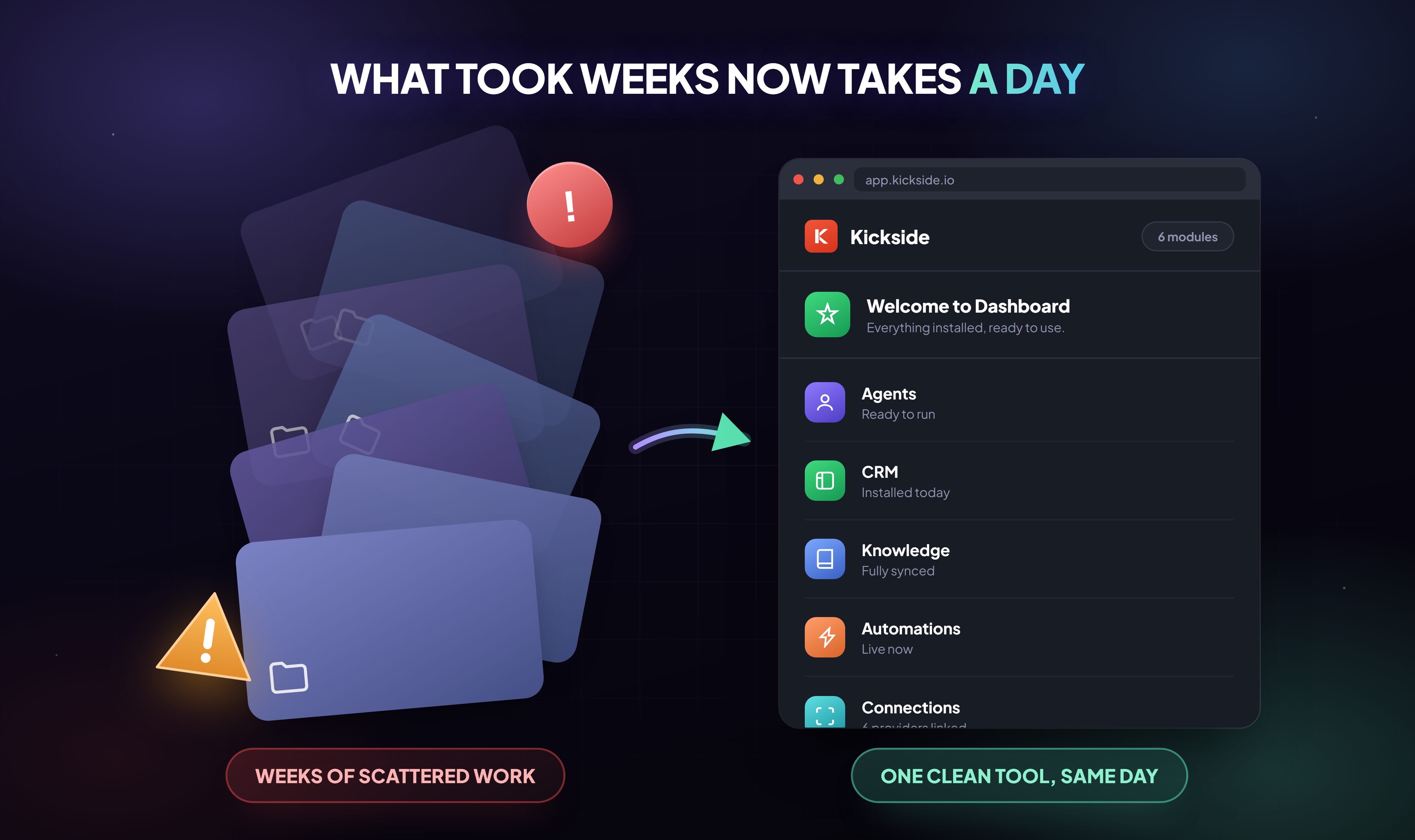
What Software Development Used to Take Weeks Now Takes a Day
-
Reimagining QA: How Wippy’s AI-Powered AQA Agent Automates Testing from Spec to CI
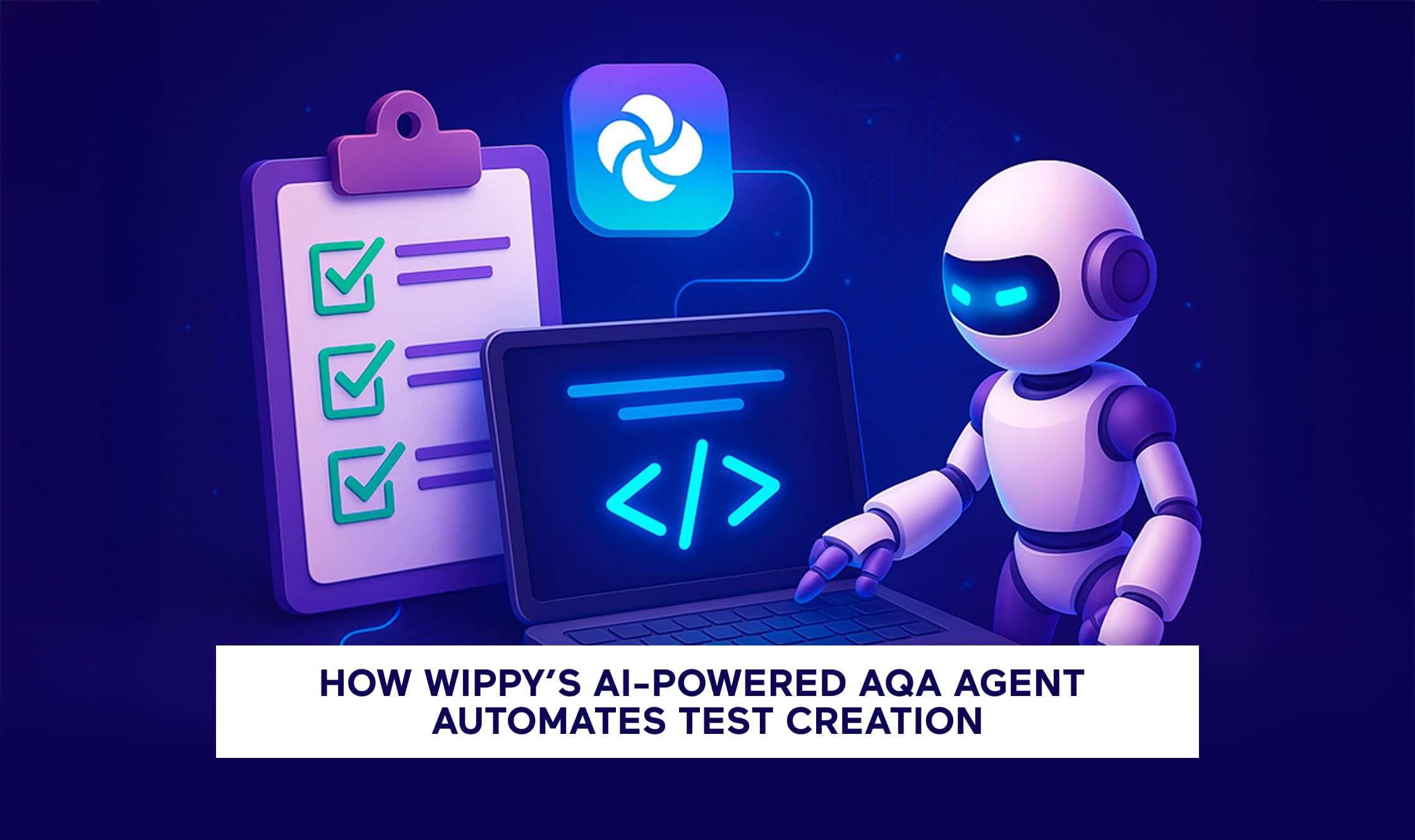
Reimagining QA: How Wippy’s AI-Powered AQA Agent Automates Testing from Spec to CI
-
Meet the Manual QA Assistant Agent: Automating Daily QA Tasks Without the Overhead
Meet the Manual QA Assistant Agent: Automating Daily QA Tasks Without the Overhead
-
How to Choose a Software Testing Services Company
How to Choose a Software Testing Services Company
-
AI-Powered Data Format Negotiation for E-Commerce Systems

AI-Powered Data Format Negotiation for E-Commerce Systems
-
A New Phase in AI: Self-Improving Systems and Rapid Knowledge Acquisition

A New Phase in AI: Self-Improving Systems and Rapid Knowledge Acquisition
-
Transforming Backend Development with Self-Build Software for AI
Transforming Backend Development with Self-Build Software for AI
-
How To Use AI In Product Discovery
How To Use AI In Product Discovery
-
How Wippy is Transforming the Role of Developers in the Age of AI
How Wippy is Transforming the Role of Developers in the Age of AI
-
How AI is Transforming My Life and Work
How AI is Transforming My Life and Work


Your Questions, Answered
Quality Assurance and Quality Control services are crucial for ensuring that software meets user expectations and delivers a seamless experience. By identifying and resolving usability issues early, conducting thorough user acceptance testing, and validating the functionality against user requirements, QA and QC teams contribute to creating intuitive, user-friendly interfaces. This leads to enhanced user satisfaction, improved usability, and higher user retention rates, ultimately fostering positive relationships between users and your brand.
QA and QC services are essential for businesses aiming to improve product quality, reduce risks, and enhance customer satisfaction. These practices help identify and resolve defects early in the production cycle, minimizing costly rework and customer complaints. By maintaining consistent product quality, businesses can build a strong reputation for reliability, which attracts and retains customers. QA and QC also contribute to risk mitigation by preventing potential failures. In summary, these services increase operational efficiency, reduce costs, and support business growth by delivering high-quality products that meet customer expectations.
The software testing process is a systematic approach to evaluating the quality of a software application. The key steps in the process are:
- Test Planning: Defining testing goals, scope, guidelines, and strategies to align with business objectives.
- Test Control and Monitoring: Tracking progress, setting schedules, and measuring test coverage to ensure readiness for release.
- Test Analysis: Analyzing requirements, designs, and user stories to identify key test conditions.
- Test Design and Implementation: Creating test cases, checklists, and configuring test environments to assess risk and criticality.
- Test Execution: Executing test cases, comparing results against expected outcomes, and documenting defects and issues.
- Test Closure: Summarizing testing activities, sharing outcomes, and captureing lessons learned to finalize the process.
Automation testing is particularly beneficial in scenarios such as:
- Large-Scale Projects: When testing complex systems with a large volume of data or features, automation ensures consistency and thorough coverage.
- Regression Testing: Ensures that new code changes do not break existing features and functionality.
- Performance Testing: Measures how the software performs under various conditions, including heavy loads and stress scenarios.
- Repetitive Testing: Speeds up testing of repetitive tasks that need to be executed multiple times, improving efficiency and accuracy.
- Continuous Integration/Continuous Deployment (CI/CD): Automates tests within the development pipeline for faster feedback during agile
Advantages of automation testing:
- Faster execution, saving time and effort.
- Less prone to human errors, ensuring reliable results.
- Reusable test scripts, reducing redundancy.
- Ideal for repetitive regression tests.
- Increased test coverage.
- Early defect identification, cost savings, and improved customer satisfaction.
Disadvantages of test automation:
- Initial investment of time and resources for setup and script creation.
- Regular updates and maintenance are required.
- Cannot replace human judgment and intuition.
- Challenges in automating complex user interfaces.
Factors influencing software testing budget:
- Size and complexity of the project.
- Scope of testing required.
- Chosen testing approach (manual vs. automation testing).
- Testing tools and infrastructure.
- Salaries or fees of testing team members.
- How much documentation has been provided and written up previously.
Let’s Build Software That Works—Flawlessly

John Griffin
Co-Founder, CEO

Anton “JD” Titov
Co-Founder, CTO

